Back

Italian manufacturing 2025: between european leadership and new challenges

Italy remains the second-largest manufacturing power in Europe


With an output of around 353 billion USD, Italy confirms its position in 2025 as the second-largest manufacturing power in Europe, just behind Germany. This result attests to the solidity and value of the Italian industrial supply chain, which continues to be a pillar for national growth and exports. However, behind this resilience, there are signs of slowdown that warrant attention.

According to the latest analyses, Italian manufacturing recorded a 1.15% year-on-year decline in the second quarter of 2025, while the manufacturing PMI index dropped to 49 points, below the 50 threshold that indicates sector expansion.
These figures present a picture of weak and fragmented growth, where manufacturing excellence is concentrated in a few highly specialized districts — such as automotive, mechanics, and fashion — and where technological innovation becomes the key to maintaining competitiveness.

Italian Manufacturing 2025 - automotive - VRM SPA

Vertical Integration as a Strategic Key

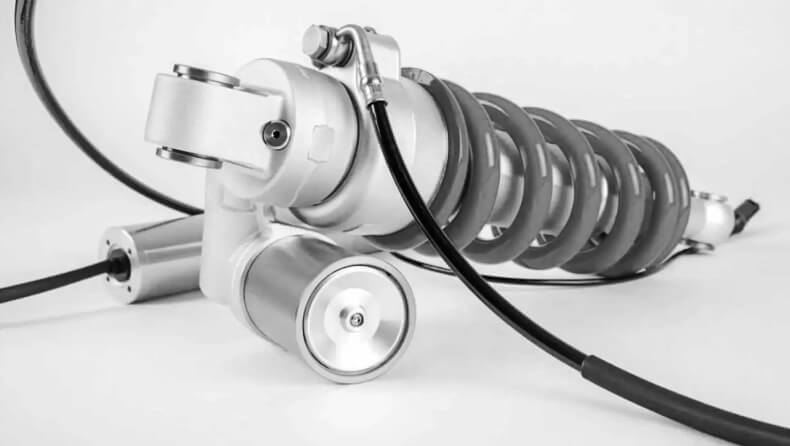
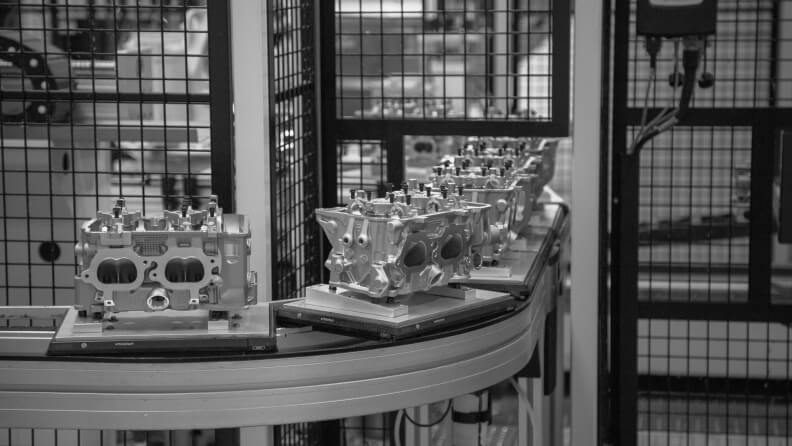
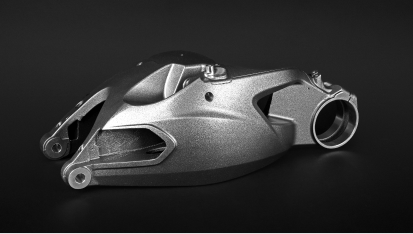
In a context of global slowdown, the verticalized industrial holding model represents a concrete response to market challenges. VRM is an example of this: its integrated structure, which unites companies specializing in high-end metal components for automotive and fashion, shows how district synergies and technological sharing generate value across the entire supply chain. Through the joint management of know-how, innovation, and production resources, VRM has built a replicable model capable of anticipating trends and ensuring Made in Italy quality on an industrial scale, without sacrificing the craftsmanship that constitutes its DNA.

The real challenge for the Italian manufacturing system today is, therefore, to transform quality into sustainability and tradition into innovation: investments in automation, DNV GL certifications, and attention to environmental and social impact represent the elements of a vision that integrates economic development and responsibility.
This approach — in which innovation is distributed vertically across the group’s companies — allows for waste reduction, supply chain optimization, and enhanced industrial resilience.

    VRM-Investor_milestone-back

    The Future of Made in Italy Lies in Industrial Synergies

    Looking ahead, the revitalization of Italian manufacturing will depend on the ability to integrate traditional districts into advanced industrial ecosystems. VRM, with its presence in the Motor Valley and the Tuscan fashion district, represents an evolved model of Made in Italy, where technical innovation meets the beauty of design and sustainability becomes a shared value. In this balance between technology, aesthetics, and productive culture, lies the new competitiveness of Italy in the global landscape.

    This page is also available in: Italiano