A crucial year for the Italian industry
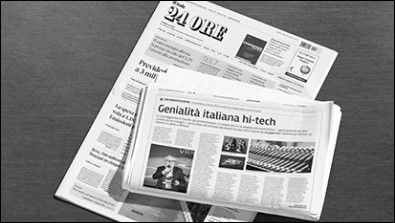
2025 is a crucial year for the Italian industry, particularly for the manufacturing sector, which is undergoing a profound transformation thanks to the adoption of circular economy models. This change is reflected in recent data published by Il Sole 24 Ore, which show a significant increase in the number of Italian companies ready to adopt circular economy practices. This trend not only marks an important evolution of our production system but also offers concrete opportunities for growth, sustainability, and competitiveness. In this context, VRM stands out as a concrete example of a company that has fully embraced the circular economy model, reducing waste, improving process efficiency, and managing resources responsibly.
Three Reasons Behind the Growth
- EU Regulatory Pressure: European legislation plays a central role in this transition, as it sets targets for companies to achieve in terms of waste reduction, recycling, and resource recovery. Adopting circular practices is now a requirement to remain competitive in the market, both due to stricter environmental regulations and the opportunities these regulations offer. In Italy, regulatory pressure is even stronger, with fiscal incentives and European funds supporting the transition to more sustainable production models.
- Rising Raw Material Costs: The growing volatility of raw material prices is another significant reason behind the shift in the manufacturing paradigm. Companies are being forced to reduce resource consumption through process optimization and material recovery, as seen in the circular economy. In this context, recycling and reusing materials become essential not only for cost reduction but also to minimize the risks associated with price fluctuations.
- Customer Demand for Responsible Products: Consumers are also pushing for change. Increasing environmental awareness has led to a demand for more sustainable and traceable products, especially in the luxury and fashion sectors. Companies that respond to this demand with eco-friendly products and transparent processes are bound to benefit from greater recognition and preference from customers. For Italian companies, a well-established reference for Made in Italy, this demand represents an opportunity to consolidate their global reputation.

How VRM Is Leading the Change
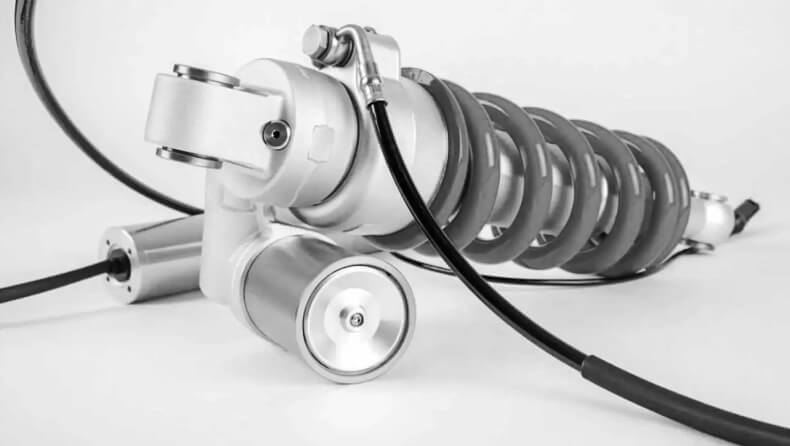
In this context, VRM stands as a model company that has successfully integrated circular economy practices into its industrial processes, making it an integral part of its growth strategy. Operating in the automotive and fashion sectors, VRM has implemented a series of practices to reduce waste, improve process efficiency, and ensure responsible resource management.
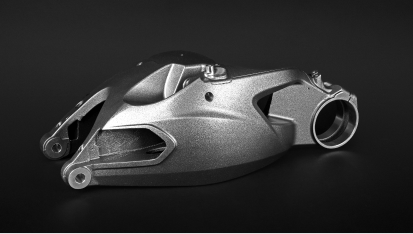
- Sharing Know-how and Processes: One of the most important aspects of VRM’s model is the internal sharing of know-how and processes between the company’s different divisions. Vertical integration of activities allows for better coordination and more efficient resource management. For example, metal components produced for the automotive sector are also reused in the fashion sector, reducing the need for new raw materials and promoting upcycling.
- Material Recovery and Waste Reduction: Material recovery is at the heart of VRM’s philosophy. Every product is designed with the goal of maximizing resource recovery, minimizing waste, and optimizing the use of metals. This approach not only reduces environmental impact but also helps cut production costs, enhancing the company’s competitiveness in the global market.
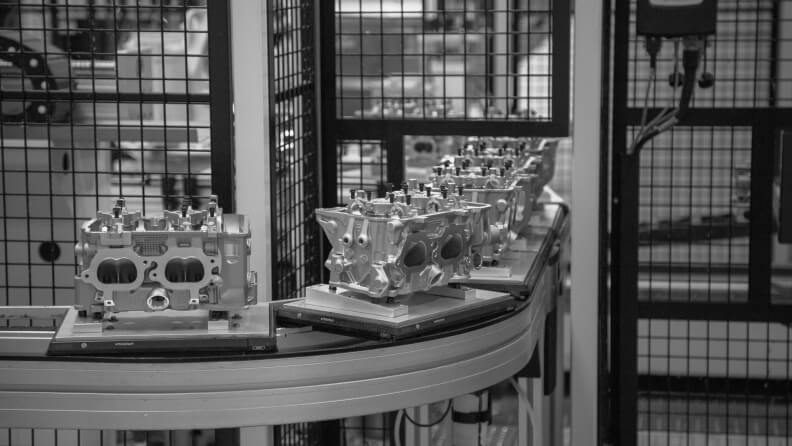
- Supply Chain Efficiency Through Verticalization: Vertical integration of processes is another pillar of VRM’s strategy. By managing the entire supply chain in-house, from raw material procurement to final production, VRM can reduce production times, optimize costs, and minimize waste. This model not only supports the circular economy but also provides greater flexibility and adaptability to market demands.



Italian Manufacturing Is Ready for a Quality Leap
The circular economy is no longer just a trend but a necessity for companies that want to remain competitive in a global market that is increasingly focused on sustainability. VRM’s case is an example of how Italian manufacturing can face the challenges of the future while remaining at the forefront in terms of efficiency and environmental responsibility. By adopting circular practices, VRM is not only contributing to greater sustainability but is also preparing for solid and continuous growth in the coming years, confirming its leadership in the sector.
This path of innovation is the future for the entire Italian manufacturing sector, which is getting ready for a quality leap thanks to a more sustainable, competitive, and responsible economy.